

Update: Florida e-bike Laws Likely Changing
This is an update of the original newsletter article published on June 6, 2026.
Editor’s Note - Special shoutout to Eugene Rider for providing additional up-to-date information. Eugene is a member of the Pedestrian and Bicycle Safety Coalition of the Florida Department of Transportation.
E-bikes are only going to grow in popularity in Florida and nationwide, with the price point for some models now less than $1,200.
Florida lawmakers are paying attention
Earlier this year, the Florida House and Senate unanimously passed a bill (SB 382), addressing related safety concerns for e-bikes, and other electric moto rides. At the time of this writing, the bill is awaiting final action before becoming law. If enacted, the bill would take effect on July 1, 2026.
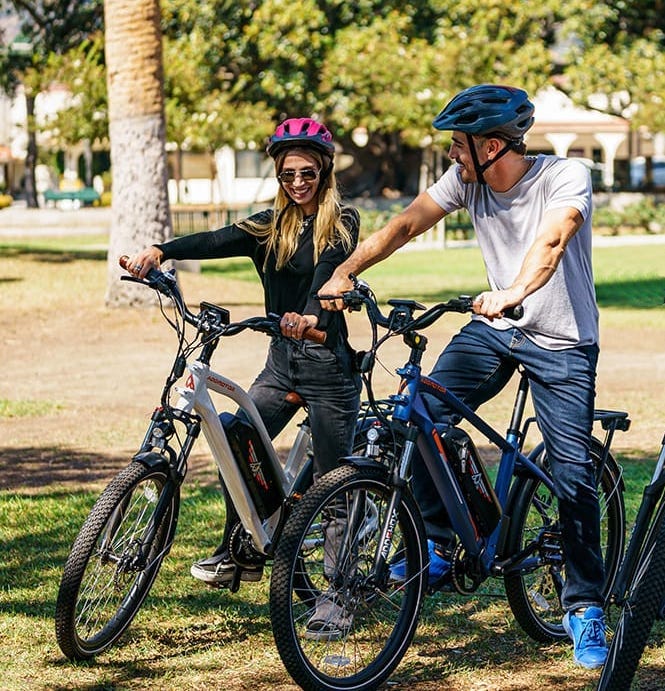
When was the last time you heard of a bill passing unanimously in the Florida legislature or for that matter in the U.S. Congress? Hats off to Florida legislators.
Florida law has recognized electric bicycles for several years. The Sunshine State law defines e-bikes as bicycles with fully operable pedals and an electric motor of less than 750 watts. Florida’s existing e-bike classifications remain largely unchanged.
What’s the focus of this new bill
This new bill would focus primarily on rider behavior around pedestrians, rental company requirements, data collection, and the creation of a statewide Micromobility Device Safety Task Force.
One of the most significant proposed changes would require e-bike riders to exercise greater caution when operating near pedestrians.
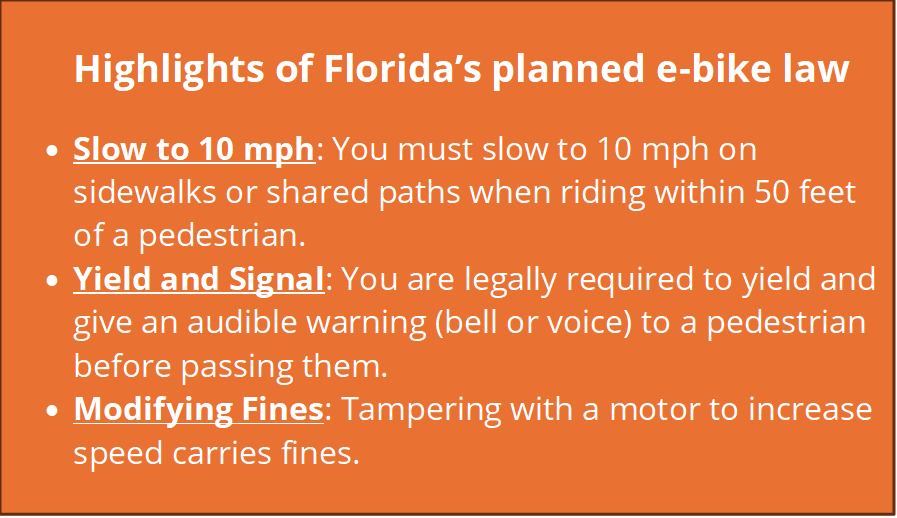
Riders would be required to yield to pedestrians, provide an audible signal when appropriate, and slow to 10 mph when riding within 50 feet of pedestrians on sidewalks, shared-use paths, and other encounters.
The same traffic laws that apply to bicycles also apply to e-bikes. Both need to obey posted speed limits, the right-of-way rules, stopping at stop signs and traffic signals.
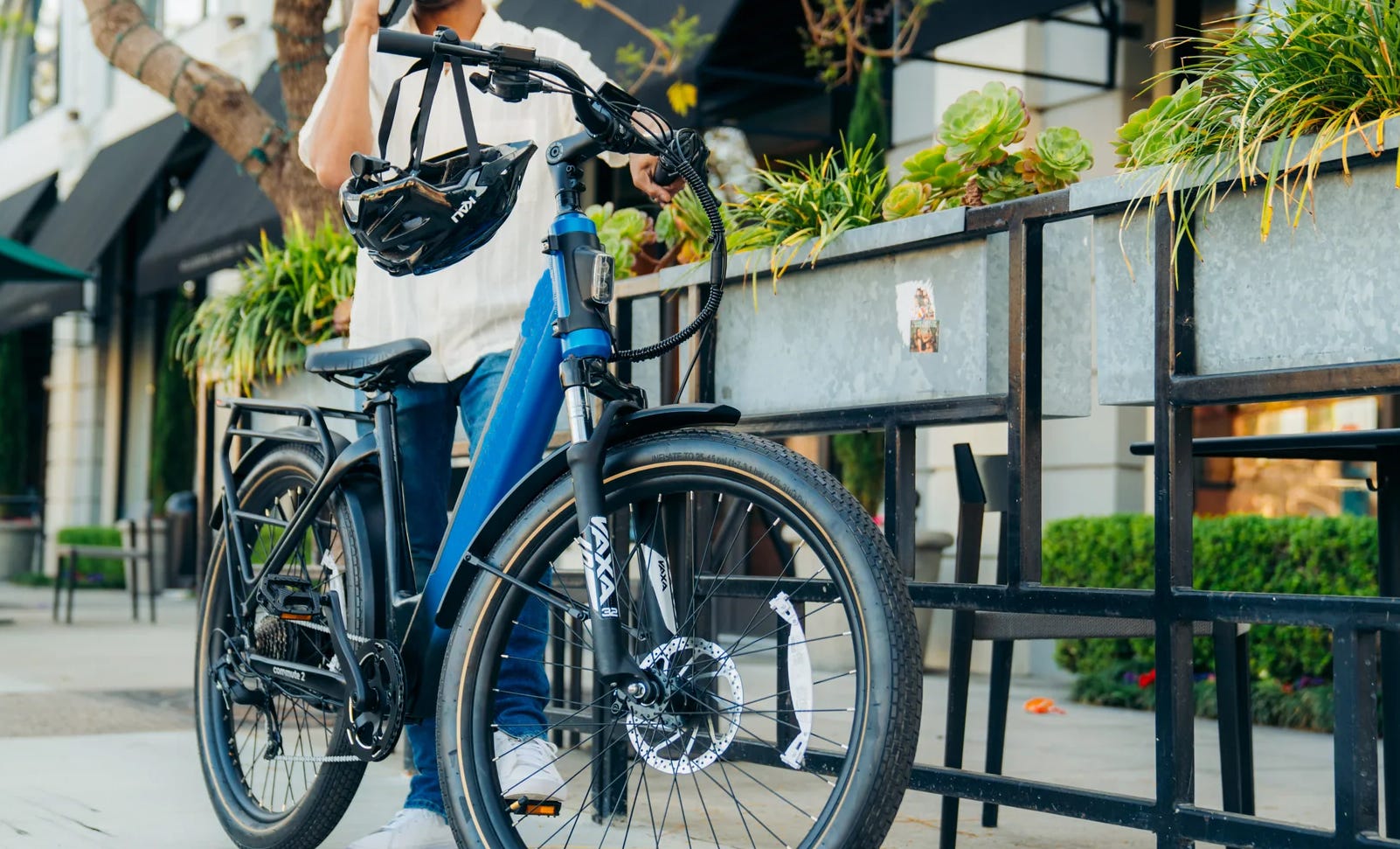
Where can e-bikes be ridden
This is where e-bike riders need to be aware of the state laws, but also local regulations.
Florida law generally allows e-bikes to be ridden where bicycles are allowed. However, local governments, park agencies, land managers, and facility owners may establish additional rules.
In essence, e-bike access may vary depending on where you ride. Some communities permit e-bikes on sidewalks and shared-use paths, while others impose restrictions. State parks, local parks, trails, beaches, and natural areas may also have their own regulations.
Before riding in a new location, it is always a good idea to review local rules and posted signs.
Florida already recognizes three classes of e-bikes
The Florida Department of Transportation has published this fact sheet defining e-bike classifications, other electric devices, and safety recommendations.

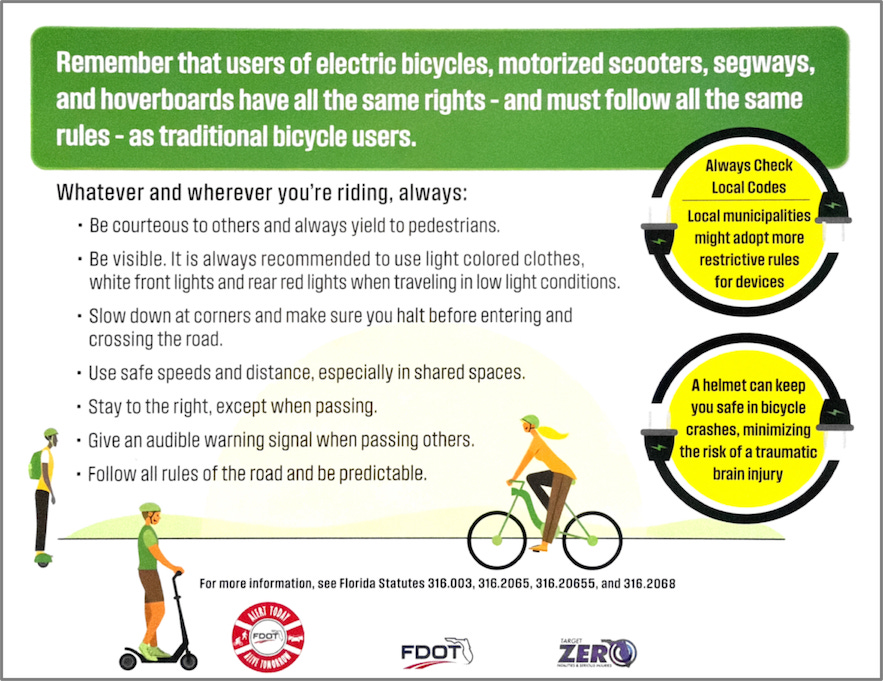
Electric scooters and bikes that exceed 750 watts and 28 mph do not fit within Florida’s statutory definition of an electric bicycle or scooter. That distinction is important because many of these moto devices creating concern in communities today are classified outside of the Class 1, Class 2, or Class 3 e-bikes.
While this newsletter issue is focused on e-bikes, a more comprehensive article about Florida laws governing the use of e-scooters can be found at A Ride Junkie.
Florida is not alone
At this point, Florida lawmakers have taken a safety and education approach over a penalties approach. Currently, 36 states and the District of Columbia have specific e-bike laws using Class 1, 2, and 3 system.
For example, New Jersey has enacted the most restrictive statutes. E-bike riders in New Jersey must have a license, register their e-bike and display a license plate, and carry liability insurance; Illinois reclassified the highest-powered devices; Washington tightened its definition of an e-bike; Utah expanded helmet rules; and Massachusetts just filed a first-in the nation insurance proposal.
Some Florida cities and counties have or are considering additional restrictions
While Florida law provides a statewide framework for bicycles and e-bikes, local governments and land management agencies may adopt additional regulations for facilities under their control. It is important to check with your hometown for any e-bike laws. These will be in addition to state laws.
Orange County Commissioners (Greater Orlando area) are engaged in public hearings to consider the proper extent of laws governing wearing helmets, setting speed limits, and/or fines to help enforce e-bike and e-scooter safety.
Palm Beach has adopted local ordinances restricting the operation of e-bikes, scooters, and other micromobility devices on sidewalks, multimodal trails, and the Lake Trail. The town also established local age and identification requirements for certain micromobility users. Riders should familiarize themselves with local regulations before operating an e-bike on the island.
Florida State Parks, county parks, beaches, wildlife management areas, and other public lands may have regulations that differ from state traffic laws. Riders should review local rules before riding. Regardless of location, good cycling etiquette includes obeying posted speed limits, yielding to pedestrians and equestrians, and respecting facilities designated for foot traffic only.
This issue of Florida Cycling Newsletter on riding e-bikes in Florida is not intended to be comprehensive. Please consult your local authorities.
Here are some links for further reading if you’re so inclined
As avid cyclists, you and I, at some time, may reach the point where riding an e-bike on the road, gravel, or trail might be the way to go to keep us in the saddle with the wind blowing in our face. Give yourself permission.
And whether you are on an e-bike, road bike, gravel, or MTB, a good rule is to be a good neighbor and citizen. Consider others, as much as you would want others to be considerate of you. For your safety and that of others.
Ride often. Be safe.
Bruce
New cycling events have been posted that are happening in June before the weather turns too hot and humid. Find them at FloridaCycling.us/events.
Consider becoming a monthly or annual paid subscriber. You gain full access to over 79 past newsletters and all future ones.
https://floridabicycle.org/news/the-parents-e-bike-gift-guide
Does the slow down to 10 mph when approaching a pedestrian apply to all bicycles?